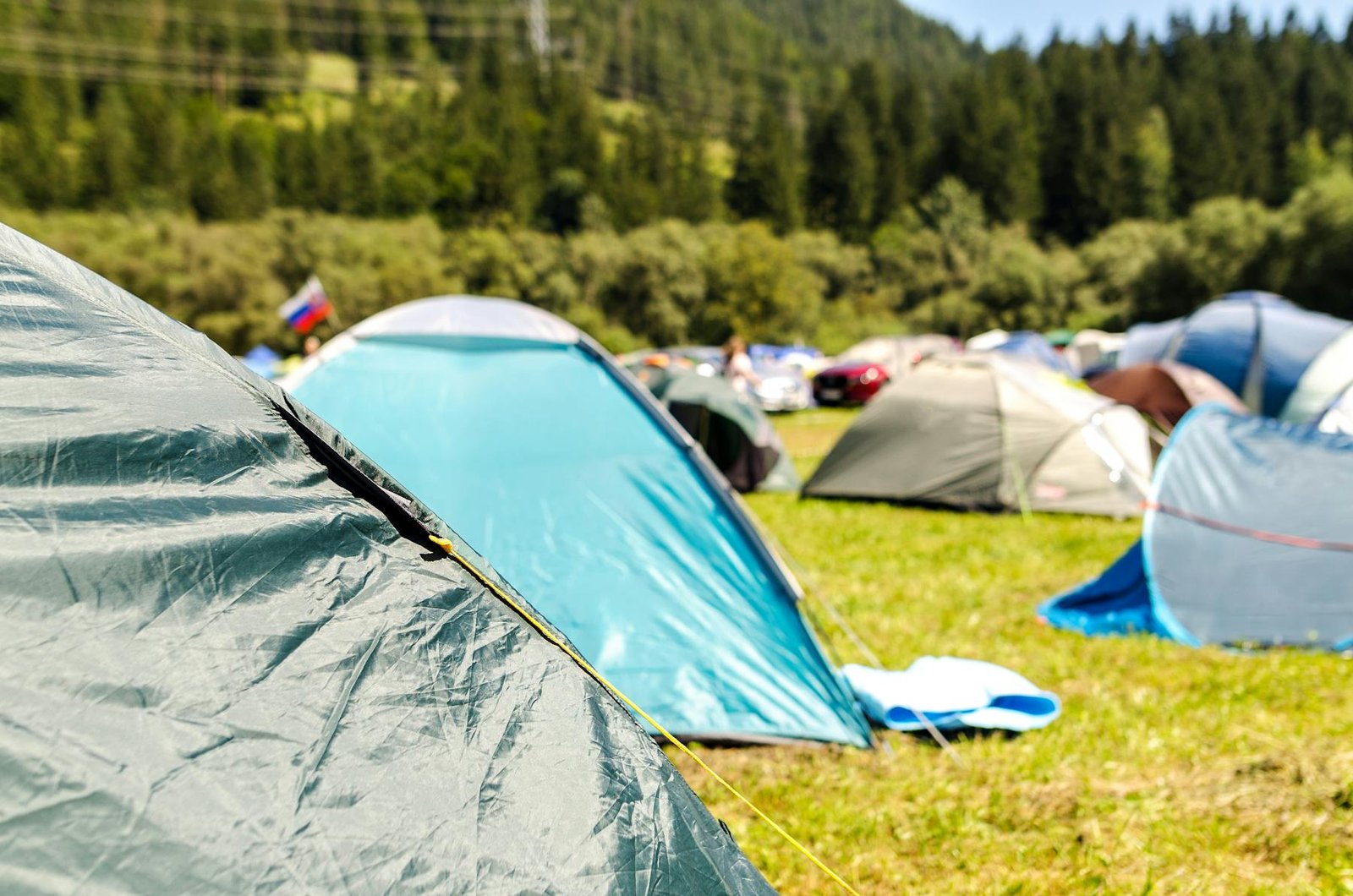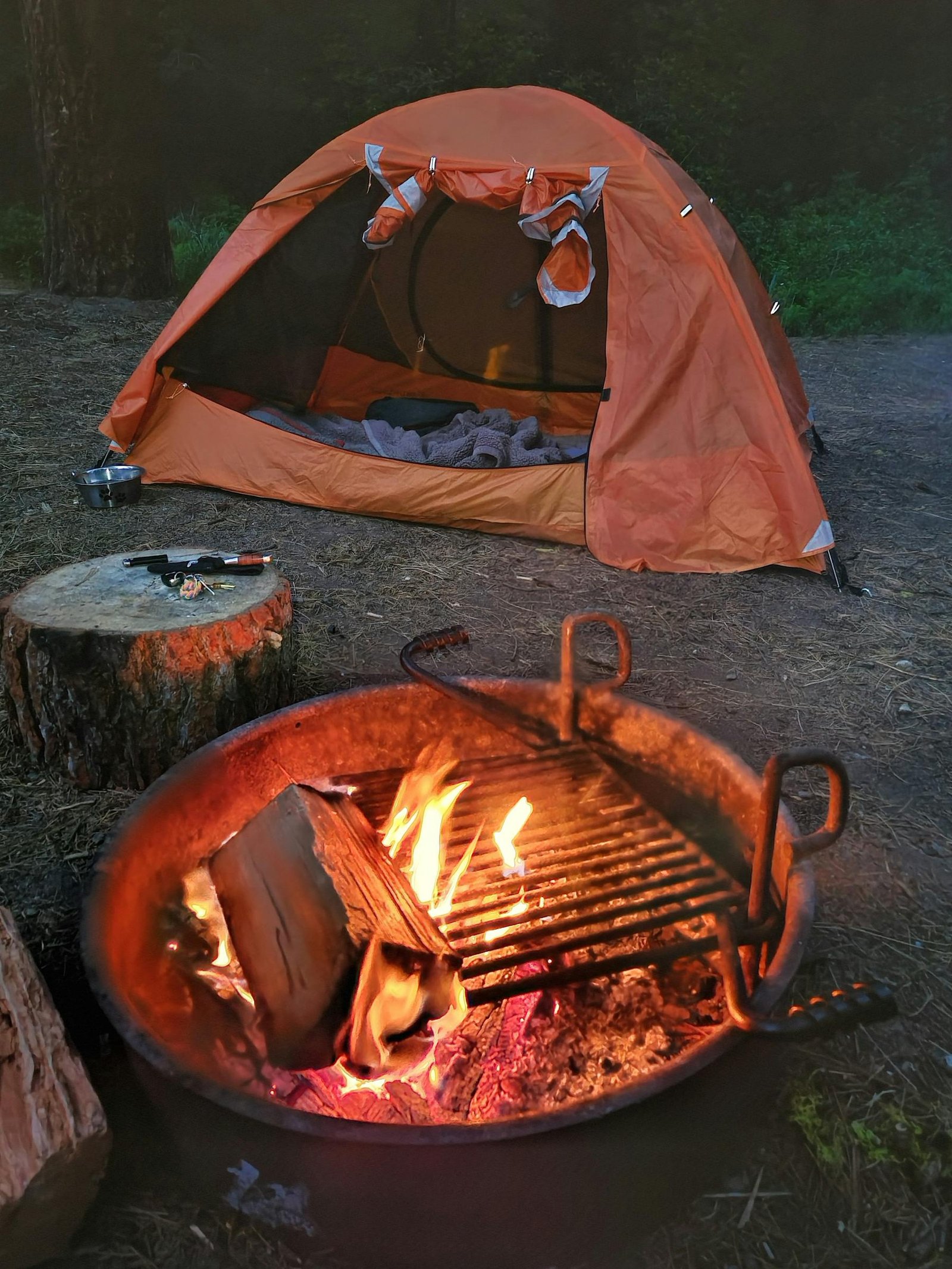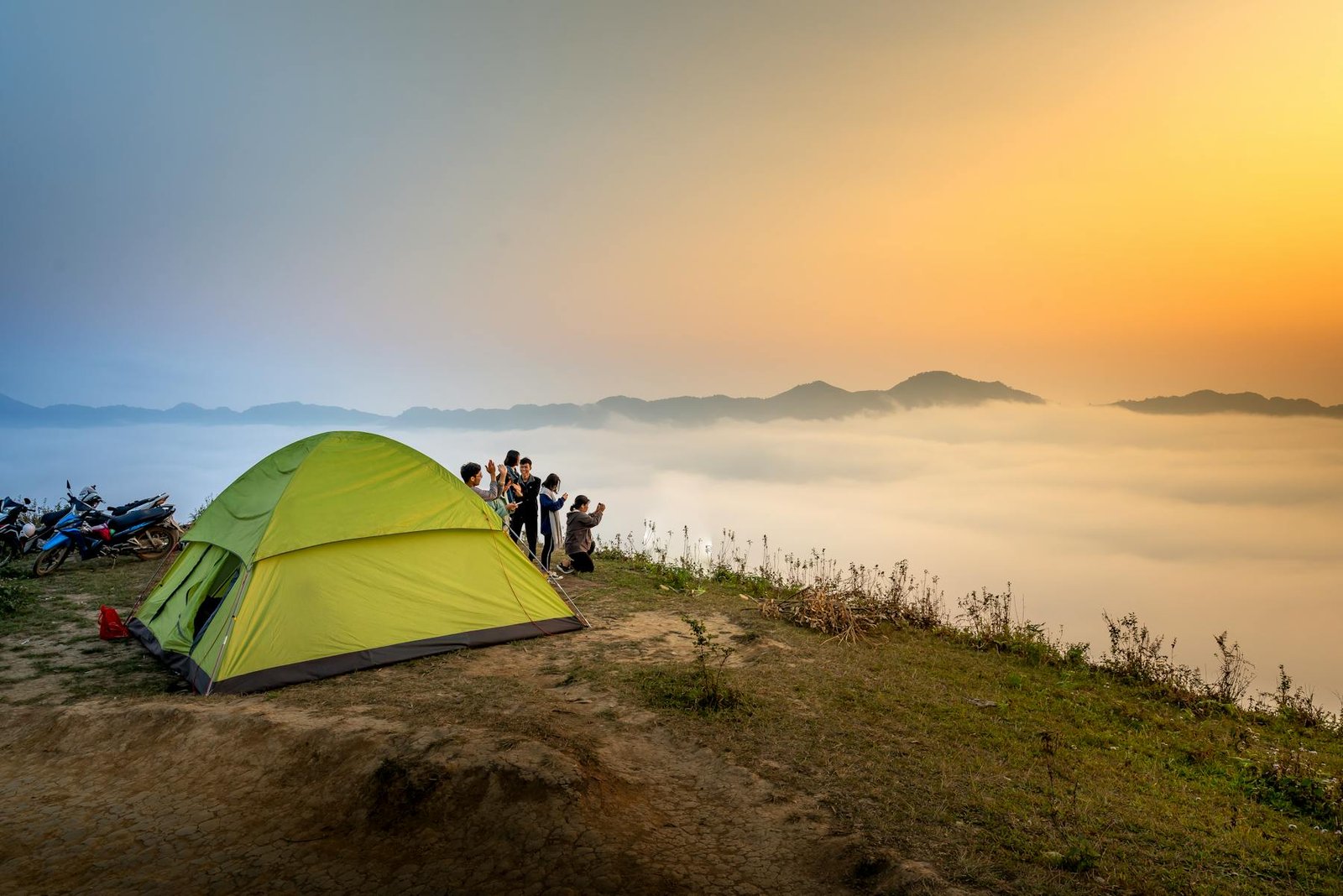
Pitching a tent above the treeline introduces a unique set of challenges. Wind, rocky terrain, and rapid temperature shifts require a meticulous approach. The margin for error shrinks considerably when you lose the natural protection provided by the forest canopy.
Site Selection is Everything
Before unpacking a single pole, spend time surveying the area. Look for natural windbreaks—large boulders, depressions in the terrain, or sturdy alpine scrub. Avoid setting up directly in the path of prevailing winds or in natural drainage channels where cold air pools at night.
Anchoring in Rock and Snow
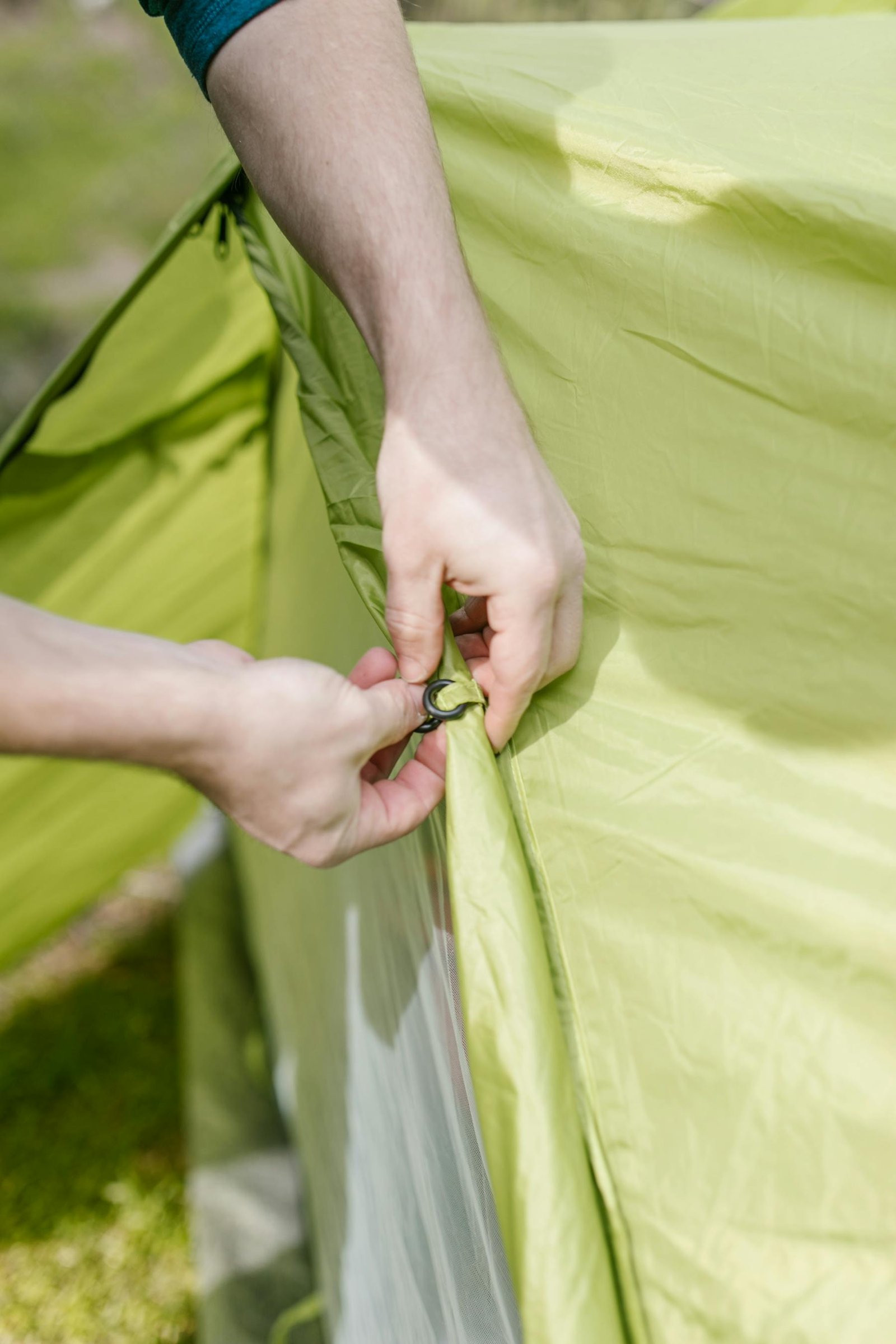
Traditional stakes are often useless in high-alpine environments. The ground is either solid rock or loose scree. This is where the 'deadman' anchor technique becomes essential.
Tie your guylines to a rock or a stuff sack filled with snow/gravel, and bury it. Alternatively, wedge a large, heavy rock over the line. Tension is critical; a flapping rainfly in 40mph winds can eventually tear fabric or snap poles.
Internal Organization
Once the shelter is pitched, organization inside is your second line of defense against the cold. Keep wet gear separated from your sleep system. Ensure your sleep pad provides adequate R-value for the ground temperature, as conduction will drain your body heat faster than the ambient air.